Excavation and Field Work
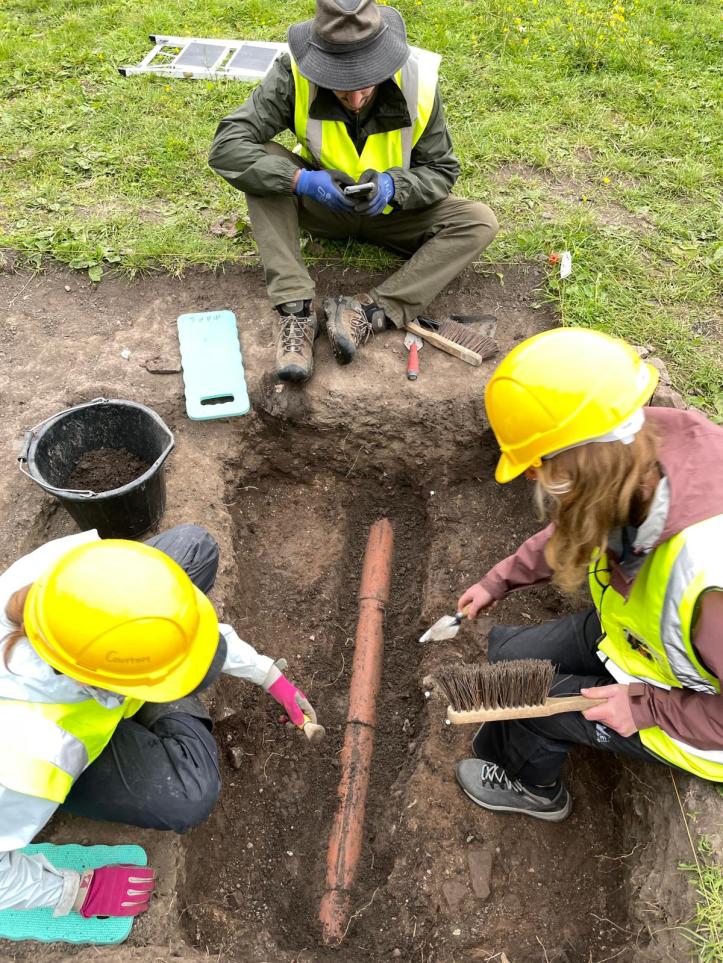
Excavation is how archaeologists learn about people and places in the past. Traces are left by ruins, material culture, biological remains – both human and environmental – and these are are investigated through recording and retrieval.
Field work has many components and may include excavation, or ‘the dig’, walk over surveys, drawings, lab work, and scientific analysis.
Landscape and Heritage
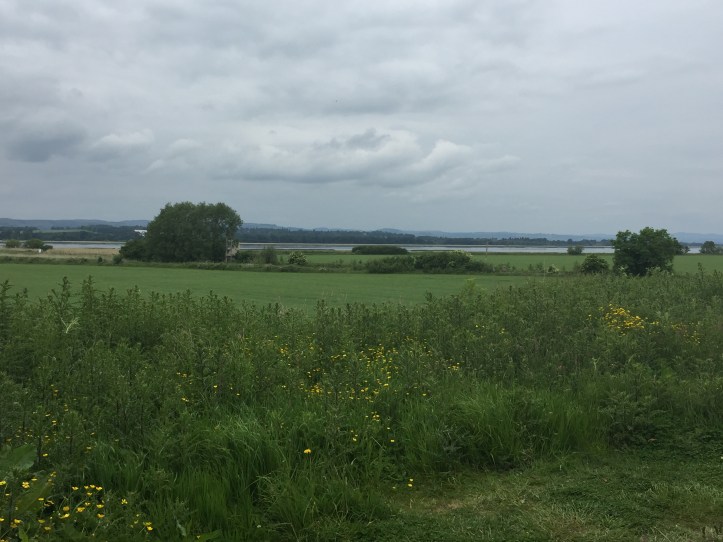
Landscape is defined by the interactions between people and places over time. These change with human and environmental involvement. Many of our landscapes and places become linked to community identity, national heritage, and are culturally significant.
UNESCO defines heritage as: “Our legacy from the past, what we live with today, and what we pass on to future generations. Our cultural and natural heritage are both irreplaceable sources of life and inspiration.”
History and Archives
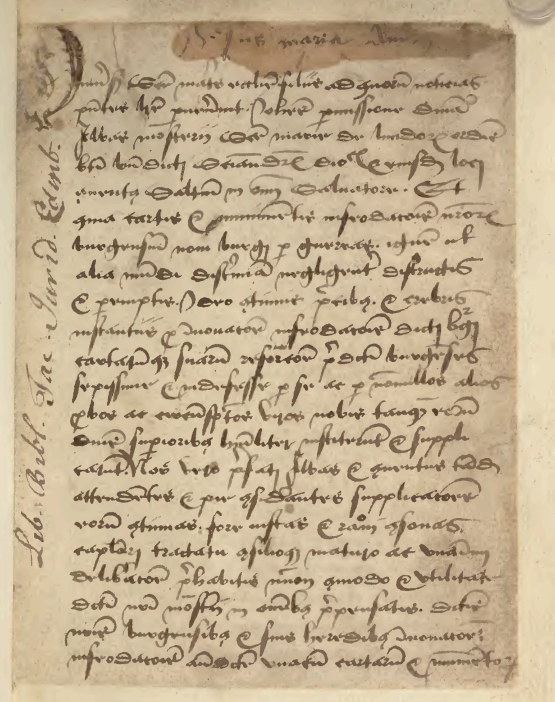
Historical research involves work in libraries, archives, special collections, or other repositories. Information about people or places in the past are found in documents, manuscripts, books, databases, maps, images, and other materials.
(c) NLS, Lindores Cartulary, Adv.MS.34.7.1, fo. 1
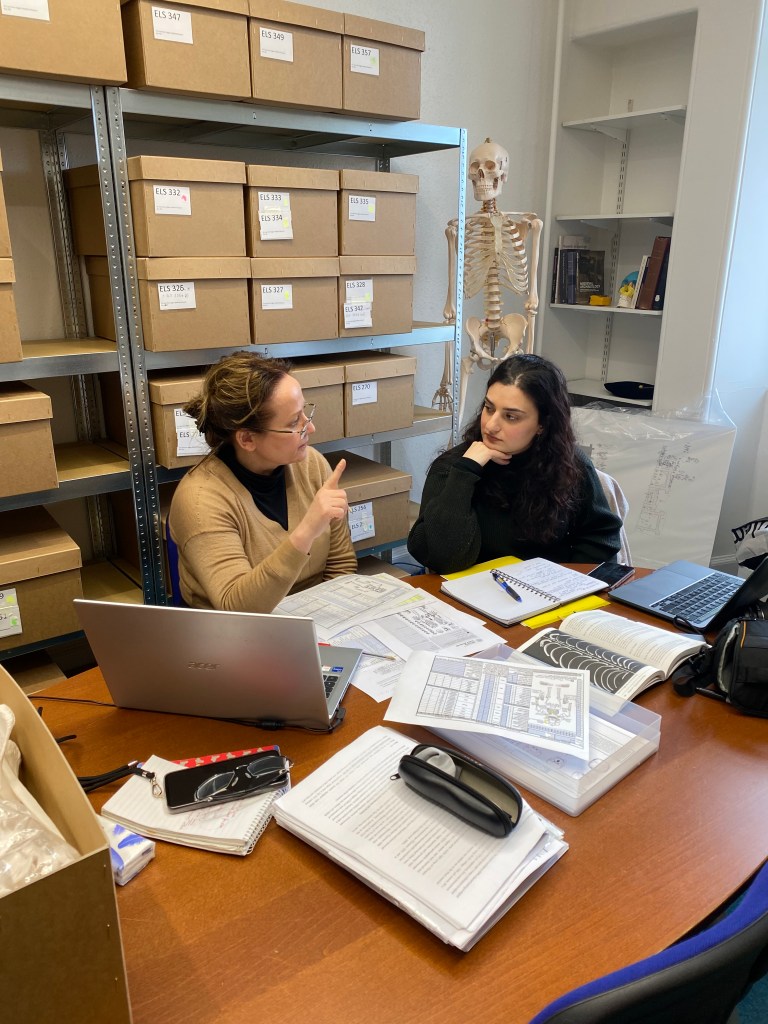
Bioarchaeology and Lab
Bioarchaeology analyses human remains from archaeological sites to
study the lives of individuals and communities in the past.
Lab work is done to identify skeletal anomalies and to offer a range of possible causal diseases and injuries, health patterns, diet, and estimate their human impact.
 Monastic Archaeology Field School - Scotland